
Plastic to Fuel
What if contaminated and layered plastics could become a source of fuel and hydrogen?
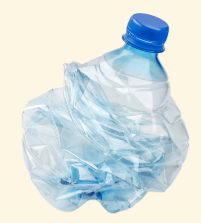
Contaminated and layered plastics from rivers, coasts and oceans are among the hardest materials to recover through conventional mechanical recycling. Through OPP’s Plastic-to-Fuel modular units, plastic waste can be converted into useful energy products and materials with full emission capture.

why this matters
The plastic problem is not simply “too much plastic”. It is also that the plastics production is skyrocketing while waste plastic reaching the end of their lives are increasingly difficult to recover.
why this matters

1 MILLION TONNES
of plastic waste generated in Singapore each year

Plastic accounts to 57% of total marine debris

81% of global ocean plastic pollution comes from Asia
Traditional mechanical recycling only handles a small portion of clean plastics-not greasy takeout containers, styrofoam or the trillions of pieces littering our oceans. Our solution repurposes even the most stubborn waste into clean, usable innovation.
Not All Plastic Can Follow the Same Recycling Path
mechanical recycling
vs
chemical recycling
Plastic Waste


Collection

Sorting

Shredding

Cleaning

Melting

Pellets

Plastic Waste
Plastic Waste
Collection
Sorting
Shredding

Pyrolysis
Fuel & Byproducts

Mechanical recycling sorts, shreds and melts plastic waste to make new products, and works best with clean, well-sorted and compatible plastic streams. However, contaminated plastics and multi-layer plastics can be difficult to clean, separate and process mechanically, making them hard to recycle.

Multilayer plastics
Different polymers and materials are bonded together and difficult to separate, making them challenging to process into a consistent recycled material.
Food residues, oils, grease and other contaminants can be difficult and costly to remove, affecting the quality of mechanically recycled plastic.

Contaminated plastics

ocean-bound plastics
High salinity and sand add on to contaminated plastics plus the ultraviolet (UV) radiation from the sun breaks the chemical bonds in plastic polymers, eventually forming microplastics and nanoplastics.
Ocean Purpose Project’s plastic recycling proposals takes a different approach through multiple thermo chemical and microwave technologies. Plastic waste is sorted and shredded before being broken down into liquid or gas molecules through processes such as pyrolysis. These products can then be further processed into chemical feedstocks for making new materials. By transforming plastics back into chemical feedstocks rather than simply remelting them, chemical recycling can help recover value from plastic waste that is difficult to recycle mechanically—expanding the range of plastics that can be treated within a broader circular recycling system. Our focus is also on 100% emission capture solutions that revalorise instead of scrub waste gasses and particles.
A blanket ban on the discharge of all plastic waste into the sea from ships.
To manage this, operators face severe regulartory, logistical, and financial pressures to store, document, and properly ashore offload every ounce of plastic waste generated onboard.
What problem it solves

sustainability in maritime
adds costs & CONFUSIONS


A blanket ban on the discharge of all plastic waste into the sea from ships.
To manage this, operators face severe regulartory, logistical, and financial pressures to store, document, and properly ashore offload every ounce of plastic waste generated onboard.


Our solution: plastic-to-fuel unit
Turning plastic waste into valuable energy resources to power coastlines
Ocean Purpose Project develops modular Plastic-to-Fuel units to convert maritime plastic waste into clean energy and high-value products - onboard vessels, at ports, and in coastal communities.


what we create


Can Singapore deliver on green corridor promises? Shipowners are under immense pressure to shift from fossil fuels to alternative marine fuels like hydrogen.
Supply chain disruption skyrocketing demand for “green” hydrogen worldwide surpassed 100 million tonnes in 2025.


IMO 2020 is a regulation by the International Maritime Organisation that restricts the maximum sulfur content in marine fuels from 3.5% to 0.5% globally. VLSFO availability in Singapore is currently tight with several suppliers facing low stock levels, pushing recommended lead times out to 15-18 days.


why opp
why opp




awards & recognition
awards & recognition




Media Feature


Events attended


Home
About us
Projects
Media
Upcoming Events
Terms of use
Privacy Policy
Reach us at
hello@oceanpurposeproject.com or
DM us on instagram @oceanpurposeproject

Terms of use
Privacy Policy
Reach us at
hello@oceanpurposeproject.com or
DM us on instagram @oceanpurposeproject

Singapore's exemplary homegrown social enterprise working on the North Eastern shores!
Ocean Purpose Project has been bestowed the raiSE Emerging Social Enterprise Award in 2025 for our exemplary work in
providing inclusive employment opportunities to persons managing mental health conditions, caregivers, people with debilitating health conditions through its business model.An Emerging Social Enterprise is a business that has demonstrated and tracked at least 3 months of social impact creation and generated market revenue. It demonstrates additionality by redesigning business processes or policies to go beyond conventional practices, deliberately addressing unmet social needs and contributing to a more inclusive society in Singapore.
Ocean Purpose Project is proudly a Singaporean Social Enterprise leading community beach cleanups, viral sustainability & blue carbon marketing, plastic to hydrogen and seaweed bioremediation from our two time SG ECO Fund award winning OPP Beach Hub office on the shores of Pasir Ris, North East Singapore.
We are Singapore's 1st Blue Economy advocates and proud champions of the UN Decade of Ocean Science for Sustainable Development. Our award winning work makes us Asia's top choice for teambuilding, workshops, ocean CSR and beach clean ups with a difference! Every corporate or school event and teambuilding activity in Pasir Ris combines sustainability games, problem solving, hackathons, leadership development that build communication skills and ocean conservation knowledge linked to our Plastic to Hydrogen, Seaweed Bioremediation and seawater quality and eco-gardening projects.
Beyond a team building , it's a unique outdoor experience for small groups and large groups at each event. From our beach offices constructed entirely of recycled and repurposed materials and powered by 23kW solar, even the building and furniture we work with is sustainable! OPP speaks at global sustainability events from COP to United Nations Ocean Conference to GITEX to ASEAN to G20 to Climate Week New York cementing our reputation as the top Blue Economy Association in Singapore. Come and experience Singapore's 1st seaweed carbon sequestration project at our OPP Herb Garden 24/7, 365 days a year!

Is your company listed on 1% for The Planet? You can now support our work!
As of September 2026, Ocean Purpose Project officially joins forces with 1% for the Planet and thousands of businesses and environmental organizations worldwide taking collective action so our planet and future generations can thrive. Singapore can be a powerful gateway for international companies wanting to create credible, visible environmental impact in Asia.
If your company has employees, operations, customers, suppliers or sustainability ambitions in Singapore or Southeast Asia, come and build something with us. Having met 1% for the Planet’s high vetting standard, we are now eligible to receive contributions from 1% for the Planet certified businesses - companies that are held accountable for directing at least 1% of annual revenue to vetted and approved environmental organizations. To ensure that every dollar funds verifiable impact and aligns with evolving global compliance frameworks, all impact partners must clear 1% for the Planet's rigorous Certification & Vetting Standard. This unified, three-pillar vetting process evaluates partners across Legal Accountability, Organizational Credibility and Solutions Alignment.
Click on Ocean Purpose Project in the 1% For the Planet portal and browse our many game changing ocean conservation projects tackling all forms of ocean pollution from ocean plastics, oil spills, microplastics, sewage, chemical spills, algae blooms, bacteria blooms and coral bleaching and select which programme you prefer! For OPP, becoming part of the 1% for the Planet network is about creating a bridge between global corporate environmental commitments and measurable action on the shores of Singapore and Southeast Asia.
We started grassroots. We still work grassroots.
But the problems facing our oceans are global — and solving them will require companies, communities, scientists and changemakers working together across borders.
We thank all our corporate clients for this milestone! 1% For the Planet enables you to fund us, to continue our ocean conservation work.
Proud to be members of:


_jfif.jpg)


